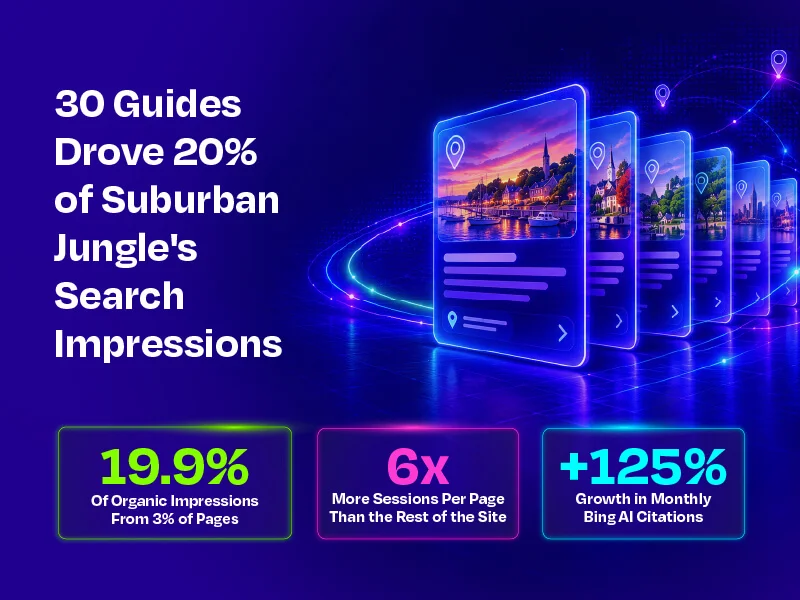
30 Guides Drove 20% of Suburban Jungle’s Search Impressions
MTM built 30 long-form city guides for Suburban Jungle that drew 19.9% of organic impressions from 2.8% of its URLs. See the strategy and results.
Read More
Paid Search
Medical Technology Company
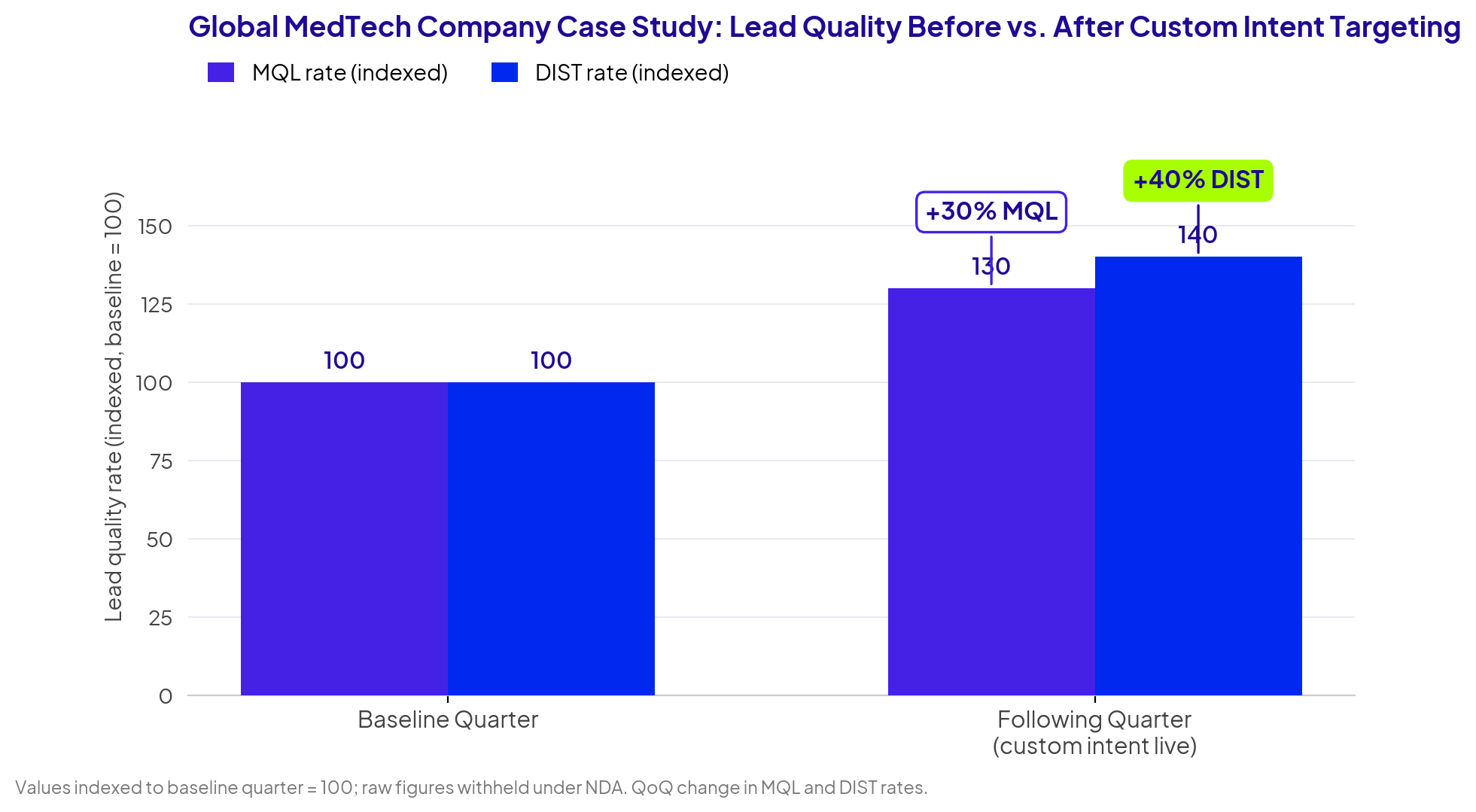
Moving Traffic Media manages paid search for a global medical technology company — a medical device and therapeutics innovator whose campaigns connect potential patients with a specialized treatment. Google’s healthcare advertising policies prohibit the first-party audience targeting most advertisers rely on, so lead quality had a hard ceiling. MTM built a custom intent targeting layer around patient research behavior instead, reaching people actively investigating treatment options without touching restricted data. Marketing-qualified leads rose 30% quarter over quarter, and leads distributed to the sales team rose 40%.
+40%
Increase in Sales-Distributed Leads (QoQ): The share of patient leads distributed to the client’s sales team rose 40% quarter over quarter after custom intent targeting went live.
30%
Increase in Marketing-Qualified Leads (QoQ): The percentage of patient leads meeting the client’s marketing-qualified criteria rose 30% in the same period — quality gains held up at both stages of the funnel.

Service: Paid Search
Objetive: Increase lead quality with custom intent audiences
KPI: Lead quality (MQL & DIST rates)
THE CHALLENGE:
Google’s healthcare advertising policies prohibit personalized targeting based on health conditions — which means no remarketing to site visitors, no Customer Match, and no first-party audience signals for campaigns like this one. For a global medical technology company marketing a specialized treatment, that removed the most reliable tools for finding high-intent patients.
The account could still generate lead volume through search, but without audience signals, quality suffered: too many leads stalled before qualifying, and too few reached the sales team. The client needed lead quality to improve — and the standard playbook for improving it was off the table.
THE STRATEGY:
If first-party data was restricted, intent data wasn’t. Moving Traffic Media’s strategy was to rebuild the audience layer around what prospective patients do — the searches they run and the independent research and medical information sites they visit while investigating treatment options — rather than who they are or where they’ve been on the client’s own site.
The obvious alternative — broad demographic targeting or keyword expansion alone — would have grown volume at the expense of quality. Custom intent flipped that trade-off: it let Google’s systems find both users exhibiting active research behavior and users whose behavior closely resembled them, concentrating spend on people showing genuine treatment-consideration signals. The approach stayed fully inside Google’s healthcare policy because it relied on contextual and behavioral intent signals, not restricted personal data.
DETAILS:
MTM built custom intent segments in Google Ads around two behavioral inputs: the search terms prospective patients use when evaluating this category of treatment, and the third-party research destinations — medical information and condition-research sites — those patients visit along the way.
Layered onto the paid search program, these segments gave the bidding system a quality signal it previously lacked. Users who had visited relevant research sites, and lookalike users sharing those research behaviors, were identified as strong candidates for treatment ads and prioritized accordingly. Budget followed the signal: impressions and clicks concentrated on the research-active audience instead of spreading across everyone matching a keyword.
Because the targeting layer is built from intent patterns rather than client data, it required no first-party inputs to operate — making it durable against healthcare data restrictions and portable to other accounts facing the same constraints.
THE RESULTS:
Lead quality improved at both checkpoints that matter. Marketing-qualified leads — the percentage of patient leads meeting the client’s MQL criteria — increased 30% quarter over quarter after the custom intent layer launched. Leads distributed to the sales team (DIST rate) increased 40% over the same period, meaning more of the leads paid search generated were good enough to hand off.
The durable win goes beyond one account. The custom intent framework MTM developed for this medical technology company now serves as a scalable model for competitive and research-based targeting on other accounts operating under the same healthcare data restrictions — a repeatable answer to a constraint the whole category shares.
MTM built 30 long-form city guides for Suburban Jungle that drew 19.9% of organic impressions from 2.8% of its URLs. See the strategy and results.
Read More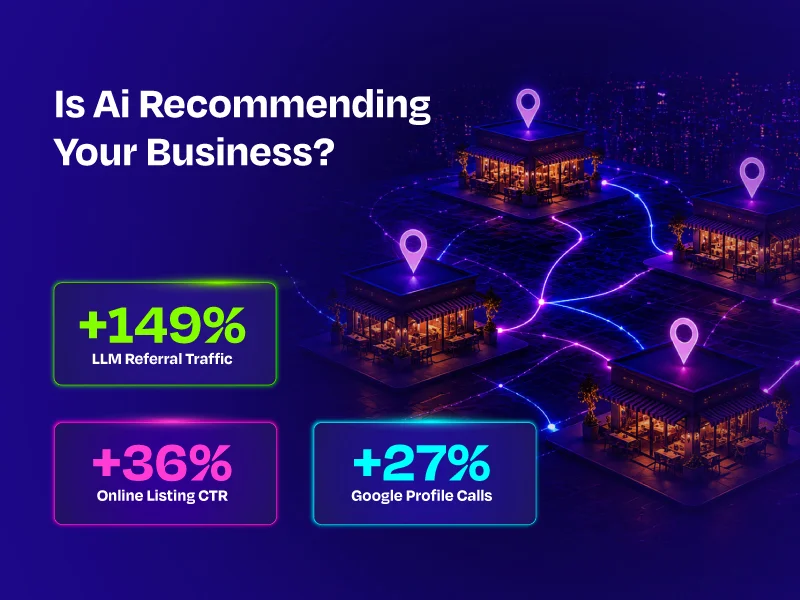
Clearer site structure, stronger content, reviews, and consistent location signals grew LLM referral sessions 149% and calls from Business Profiles 27%.
Read More
Restructured content, entity schema, and AI discovery protocols grew citations in AI answers 70% and organic-attributed revenue 145% year over year.
Read More

